中新网西双版纳9月13日电 (曾玉祥 罗祖江)记者13日从云南西双版纳边境管理支队获悉,该支队移民管理警察11日在警犬“咖啡”的协助配合下,缴获毒品冰毒23公斤。中秋节期间,西双版纳边境管理支队勐龙边境派出所移民管理警察在工作中获悉,一贩毒团伙将在边境山区进行毒品交易,毒品已经入境。获取线索后,勐龙边境派出所立即组织警力在山区进行搜索,因搜查范围过大,搜寻两个多小时仍未果。山高林密,天色逐渐暗了下来,该所决定派出警犬“咖啡”协助搜寻工作。
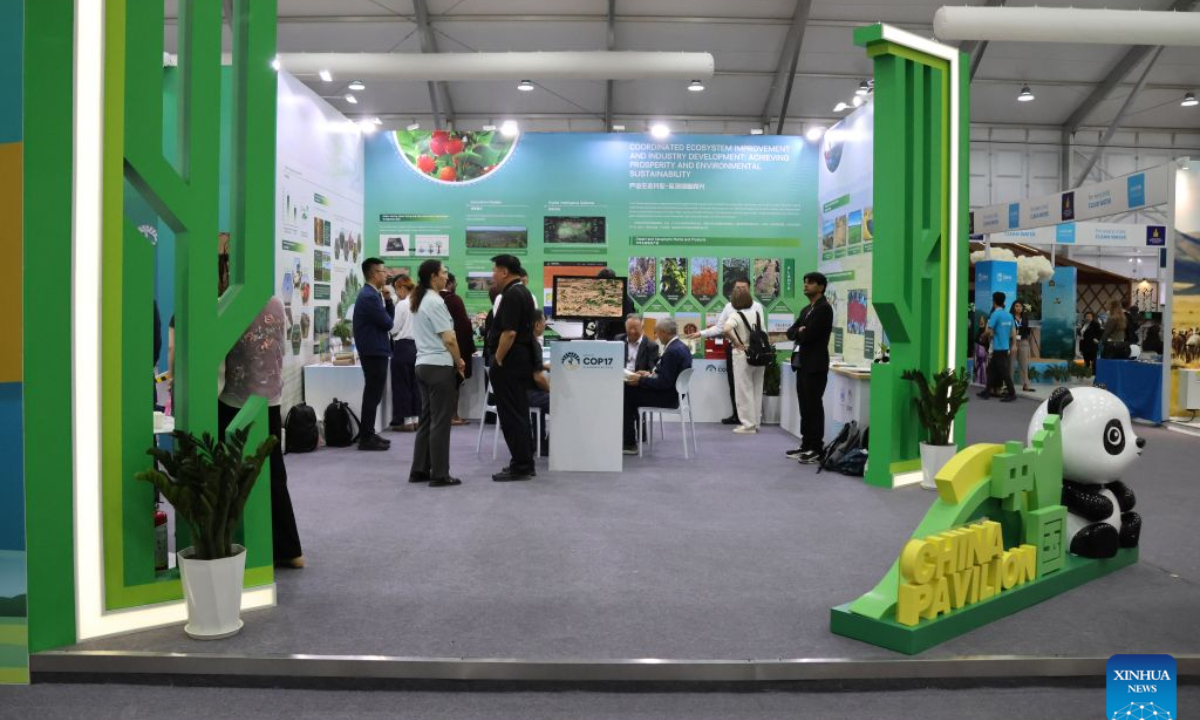
People visit the exhibition area of the "China Corner" in the Blue Zone of the 17th Session of the Conference of the Parties (COP17) to the United Nations Convention to Combat Desertification (UNCCD) in Ulan Bator, Mongolia, Aug. 17, 2026. The "China Corner" themed exhibition made its debut on Monday, showcasing China's experience and achievements in combating desertification. (Xinhua/Bolortsetseg)The "China Corner" themed exhibition made its debut in the Blue Zone of the 17th Session of the Conference of the Parties (COP17) to the United Nations Convention to Combat Desertification (UNCCD) in Ulan Bator, capital of Mongolia, on Monday, showcasing China's experience and achievements in combating desertification.
Held under the overall theme of COP17, "Restoring Land, Restoring Hope," the exhibition presents China's efforts and achievements in combating desertification through five chapters across three dimensions.
Chapter 1: The Great Green Wall - Strengthening the Ecological Security Barrier in the North
Since 1978, China has launched a series of major ecological projects, including the Three-North Shelterbelt Forest Program (TSFP), widely recognized as the world's largest afforestation program. The TSFP was launched in 1978 and is scheduled to run until 2050. It is being implemented in eight phases, with the program currently in its sixth phase.
Since the implementation of the TSFP began, forest and grassland coverage in the project area has reached 40.76 percent, while the treatment rate of desertified land has reached 67.82 percent.
Chapter 2: Prairie Conservation and Restoration - Bringing Grasslands Back to Life
Since the 14th Five-Year Plan period, China has rehabilitated and restored nearly 15.33 million hectares of degraded grassland.
In addition, nearly 80.66 million hectares of grassland have been restored through measures such as grazing bans and enclosure, benefiting approximately 12 million farmers and herders.
Chapter 3: International Cooperation - Building a Green Community with a Shared Future
Upholding the concept of a community of life on Earth, China has established desertification cooperation platforms with Arab countries, Mongolia, and Central Asian countries. It has also supported Belt and Road countries in their efforts to combat desertification, sharing Chinese experience and solutions for global ecological governance.
Chapter 4: Scientific Prevention and Control - Combining Knowledge and Technology to Enhance Governance Efficiency
China adheres to an integrated approach to the protection and systematic management of mountains, rivers, forests, farmlands, lakes, grasslands, and deserts. It adapts measures to local conditions, prioritizes water-efficient approaches to ecological restoration, and implements targeted treatments in different areas.
In terms of technological advancement, the utilization rate of high-quality seeds has exceeded 75 percent, while the mechanization rate of sand control has reached 50 percent. The application of new equipment has increased the efficiency of sand-control operations by more than threefold.
Chapter 5: Coordinated Development of Ecological Industries - Achieving Green Prosperity Together
China has developed ecological industries and ecotourism initiatives tailored to local conditions, promoting the integrated development of ecological protection, industrial growth, and improvements in people's livelihoods. These efforts have helped transform desert and sandy areas into "green homes," enabling local communities to increase their incomes and achieve greater prosperity.
China has seen a continuous decline in the areas affected by desertification and land salinization, becoming the first country in the world to achieve "zero growth" in land degradation. Approximately 53 percent of manageable salinized land has been effectively treated, making China a global leader in ecological restoration.
During COP17, which runs through Aug. 28, the "China Corner" will also host a series of thematic side events to facilitate exchanges on ideas, technologies, and practices for combating desertification.

People visit the exhibition area of the "China Corner" in the Blue Zone of the 17th Session of the Conference of the Parties (COP17) to the United Nations Convention to Combat Desertification (UNCCD) in Ulan Bator, Mongolia, Aug. 17, 2026. The "China Corner" themed exhibition made its debut on Monday, showcasing China's experience and achievements in combating desertification. (Xinhua/Bolortsetseg)
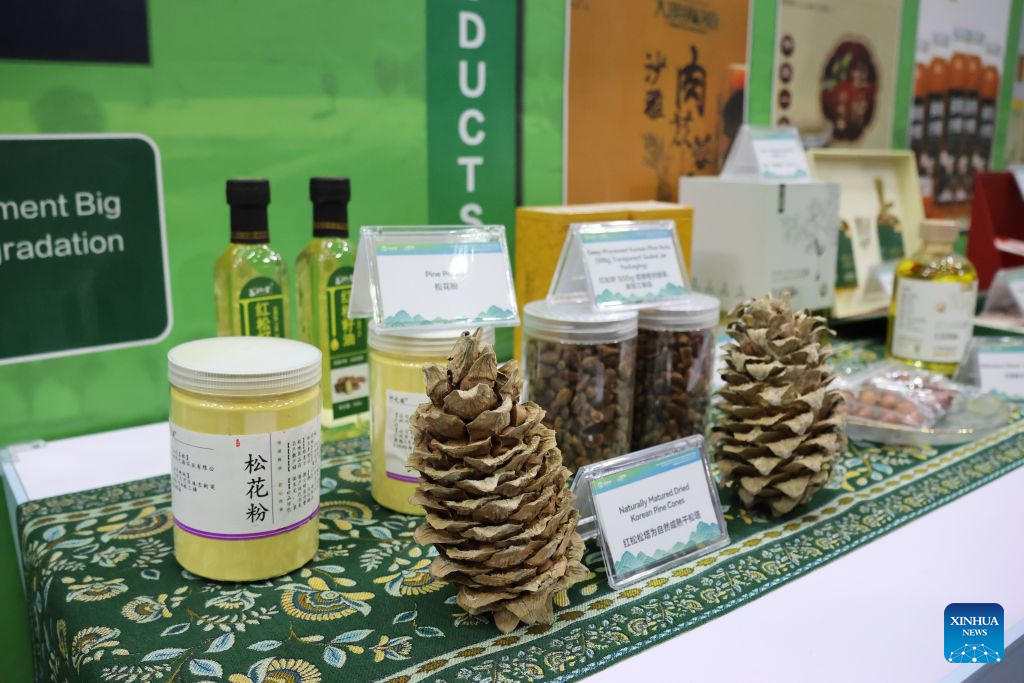
Exhibits are displayed at the exhibition area of the "China Corner" in the Blue Zone of the 17th Session of the Conference of the Parties (COP17) to the United Nations Convention to Combat Desertification (UNCCD) in Ulan Bator, Mongolia, Aug. 17, 2026. The "China Corner" themed exhibition made its debut on Monday, showcasing China's experience and achievements in combating desertification. (Xinhua/Bolortsetseg)
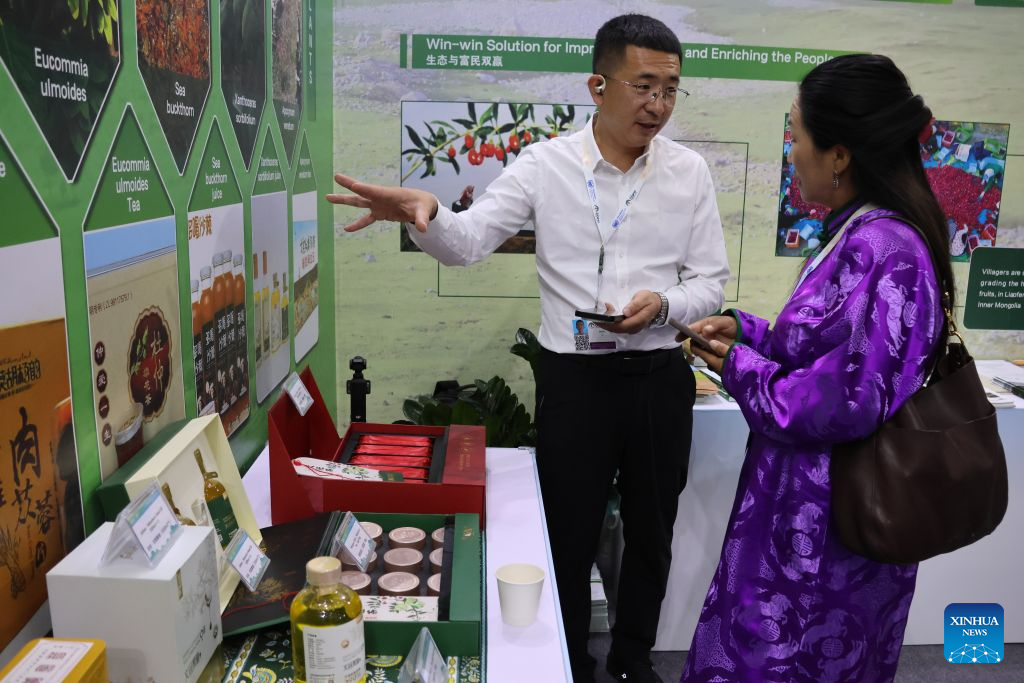
A staff member speaks with a visitor at the exhibition area of the "China Corner" in the Blue Zone of the 17th Session of the Conference of the Parties (COP17) to the United Nations Convention to Combat Desertification (UNCCD) in Ulan Bator, Mongolia, Aug. 17, 2026. The "China Corner" themed exhibition made its debut on Monday, showcasing China's experience and achievements in combating desertification. (Xinhua/Bolortsetseg)
。
图为警犬“咖啡”。周憬 摄 经过一个多小时的搜寻,“咖啡”引导民警在隐蔽的草丛内找到一个被遗弃的背包,不久在另一方向找到第二个背包。两背包内装有黄色胶带缠绕的块状冰毒35块,重23公斤。目前,案件正在进一步办理中。
收队回到所内,训导员给“咖啡”加餐,奖励它最爱的火腿肠。训导员介绍,“咖啡”2021年来到勐龙边境派出所一年多的时间里,嗅觉一直保持灵敏,嗅到异物会大声“汪汪”叫,与民警配合默契,这次查到毒品也是“咖啡”立的首功。参加工作以来,“咖啡”共参加搜查车辆671辆次,检查行李3643件。云南省西双版纳傣族自治州与缅甸、老挝接壤,边境线无天然屏障,毗邻毒源地“金三角”,是中国禁毒斗争的前沿阵地。(完)
Current article:http://bcbu.diuhuairandaikaomangshangnen.buzz/news/20260826_374059.html


